Newsletters
Q&A With Jim Rion
New Information about Upcoming Book Related News
Q&A With Jim Rion
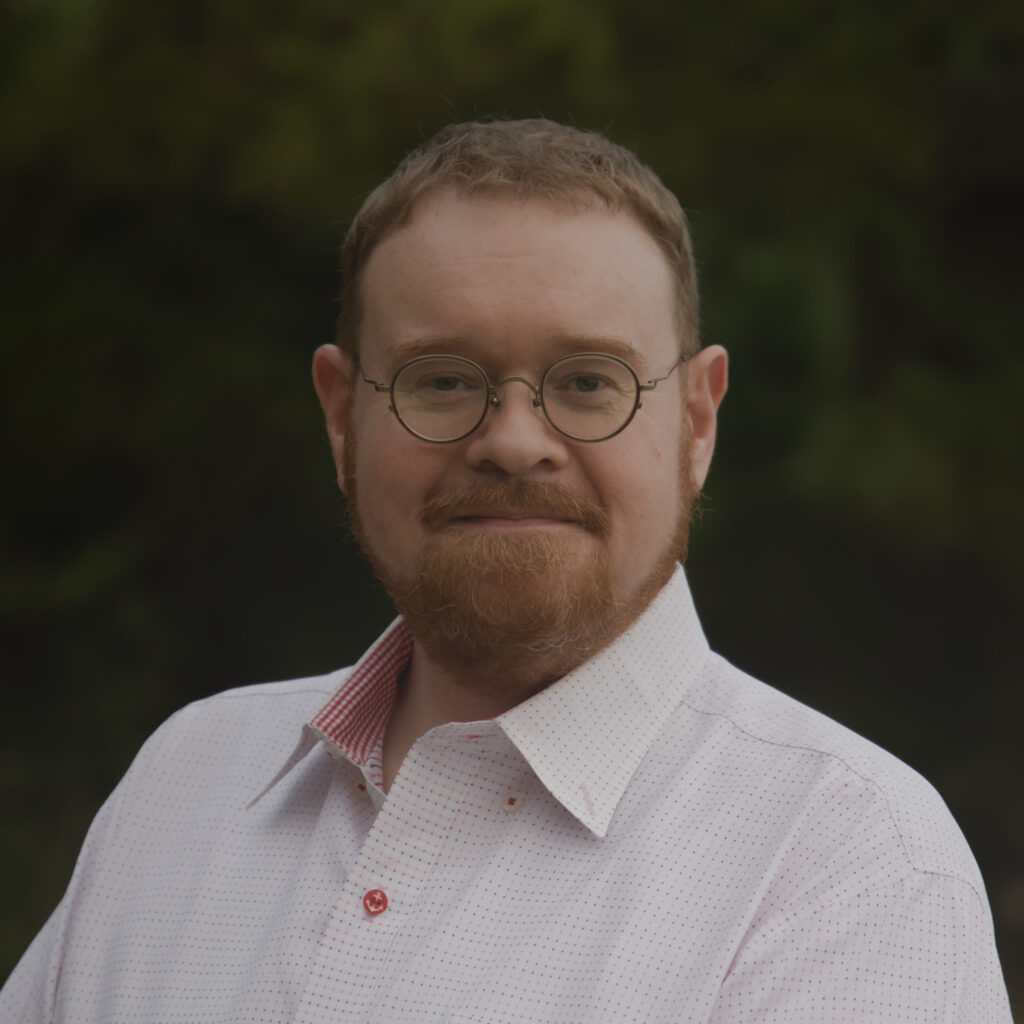
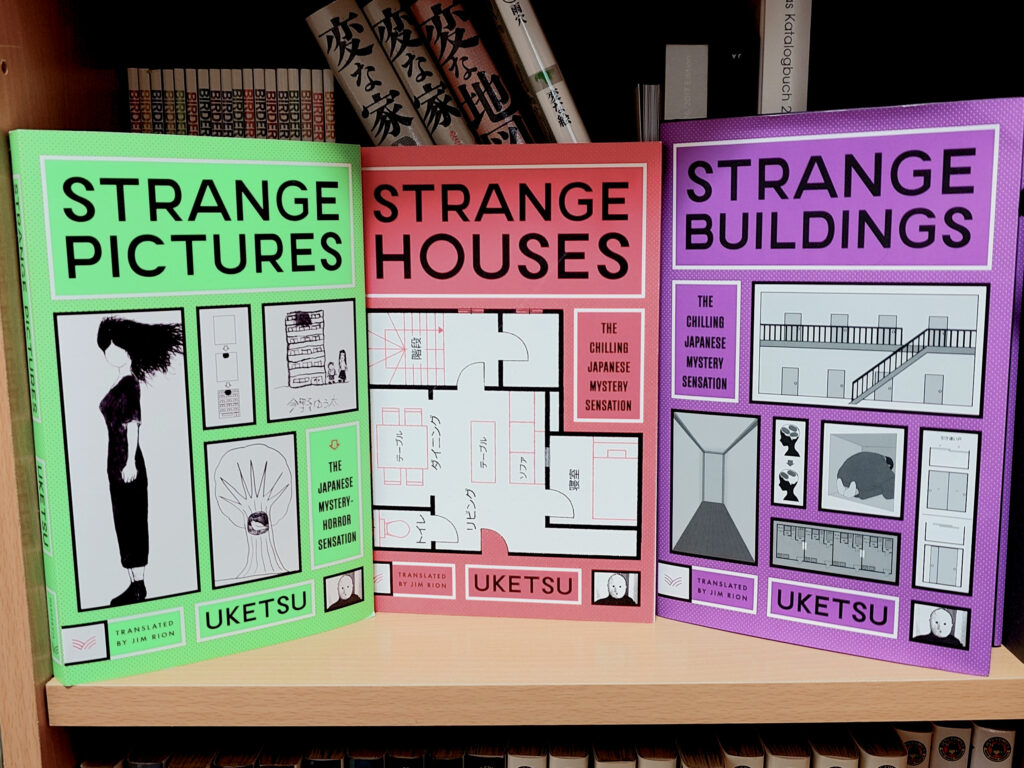
Jim Rion is a translator of Japanese Fiction into English and I’m so delighted to be doing this Q&A with him! He has translated the works Strange Pictures, Strange Buildings & Strange Houses all written by Uketsu! On top of translating he cohosts a podcast titled, Sake Deep Dive Podcast!
Q: Welcome to Book Notions Jim Rion! Could you tell the readers of the blog and I a little bit about yourself & what made you decide to translate books from Japanese to English?
A: Hi, thanks for having me!
So, I moved to Japan in 2004 without knowing a word of Japanese. A little over a decade later, I started translating, well, stuff. Corporate webpages, product manuals, whatever I could. But in the back of my mind was always this desire to do something more creative. I’ve been a writer of one sort or another basically since I was able to write. Stories, sometimes poetry, articles, always writing. But I never really got it together enough to be serious about it.
But then, when I became a translator, I thought maybe I could combine this new work with my old passion and try out translation for publishing. I had the very good fortune to connect with Edward Lipsett at now-defunct Kurodahan Press, and he agreed to let me translate a work combining Cthulhu Mythos and World War II Germany, Kthulhu Reich. And the rest is history, I guess!
Q: What is your favorite and least favorite part of translating books from Japanese to English?
A: My favorite part is the way it can often feel like a word puzzle, like I’m trying to piece various linguistic bits together to create a clear message. That, and just the idea that I’m actually getting to help make books for people to read, which has always been a dream of mine.
The least favorite part has got to be kanji wordplay. The way Japanese is written, there are basically three “alphabets.” Two, hiragana and katakana, are very similar phonetic symbols used to represent sound, which are put together into words. In a general sense, not too far from the alphabet English readers know.
But kanji are different. These are complex characters that can both carry meaning on their own and be combined with each other to convey more complex meaning. And there is a certain “looseness” in their connection to sound and reading, so they offer a lot of room to play with puns and double meanings and even written code tricks. So, Japanese authors have tools to use when creating language play that simply do not exist in English, meaning I have to create all new tricks to try to recreate the feeling of the original. It can be a huge challenge.
Q: What is it like working with the mysterious Uketsu? I did some research and saw he’s very secretive and not only does he write books he also has his own YouTube channel!
A: It has been such a thrill, though we haven’t worked “together” all that much. I’ve spoken to him a few times over Zoom, and he’s been lovely about answering translation queries. But I was a fan before I got to translate his work, so any connection at all is exciting.
My wife actually put me onto Uketsu. She became a fan of his YouTube channel during the pandemic and showed me his videos, which I loved for their creepy atmosphere. Then I hunted down the novels, and she encouraged me to try to get them translated. I did, and it worked, and I’m so grateful.
Q: What are some skills you feel are important for anyone wanting to translate fiction from other parts of the world into English?
A: Research. RESEARCH. You have to be able to know what you don’t know and figure out how to translate it, sometimes using only the barest clues. You will encounter things that you simply do not understand, no matter how long you’ve studied, because people have different experiences and history and you just won’t have all the information needed. So, you need to be able to recognize those limits and have the research skills to fill in the gaps in your understanding.
Also, deep reading in both your languages, source and target. Translation is the ultimate combination of deep reading and writing, so you have to know how both of those work in two languages.
Q: Have you ever met Eric Ozawa, the translator of the Morisaki Bookshop Books and Days At The Torunka Café?
A: I haven’t, no, but I read and loved his translation of Days at the Morisaki Bookshop. What an elegant, heartfelt work that was.
Q: I see in your BlueSky bio that you are the cohost of Sake Deep Dive podcast. What is your podcast about and what made you want to start it? What is your advice for anyone wanting to start a podcast?
A: My friend and co-host Andrew Russell is a Scottish sake brewer who has worked at several sake breweries here in Japan over the years. During the pandemic (of course) he had the idea of starting a podcast digging deep into the culture and history of this ancient drink, and since I was also a bit of a sake nerd—I wrote a book about local sake breweries called Discovering Yamaguchi Sake—he asked me to cohost. For the past four years or so, we’ve been releasing monthly episodes about all kinds of topics, from rice varieties to brewing techniques.
My advice for budding podcasters would be, get a good mic and learn to use some of the free editing software out there like OCEAM Audio because it really doesn’t take a lot of money, no matter what they tell you.
Q: Since you have translated works from Japanese to English, would you ever consider writing your own stories?
A: I have and I do, a bit! I have a couple of short stories up on my blog, and I am trying to write more.
But there’s something about translating all day, every day, that feels like it sucks all the words out of me. It can be hard to find more to use in my own stories at the end of the day.
But hey, if I get some breaks between books, I have some ideas for novels that might come to fruition.
Q: Would you please provide links to both your social media accounts and your podcast? Readers of the blog and I would love to follow you and listen to your podcast.
A: I’m not super active on social media these days, but you can find me on BlueSky at https://bsky.app/profile/jimrion.com.
I also have a blog on my website, www.JimRion.com, where I post my photography, various stories, book reviews, and stuff about my translations.