Newsletters
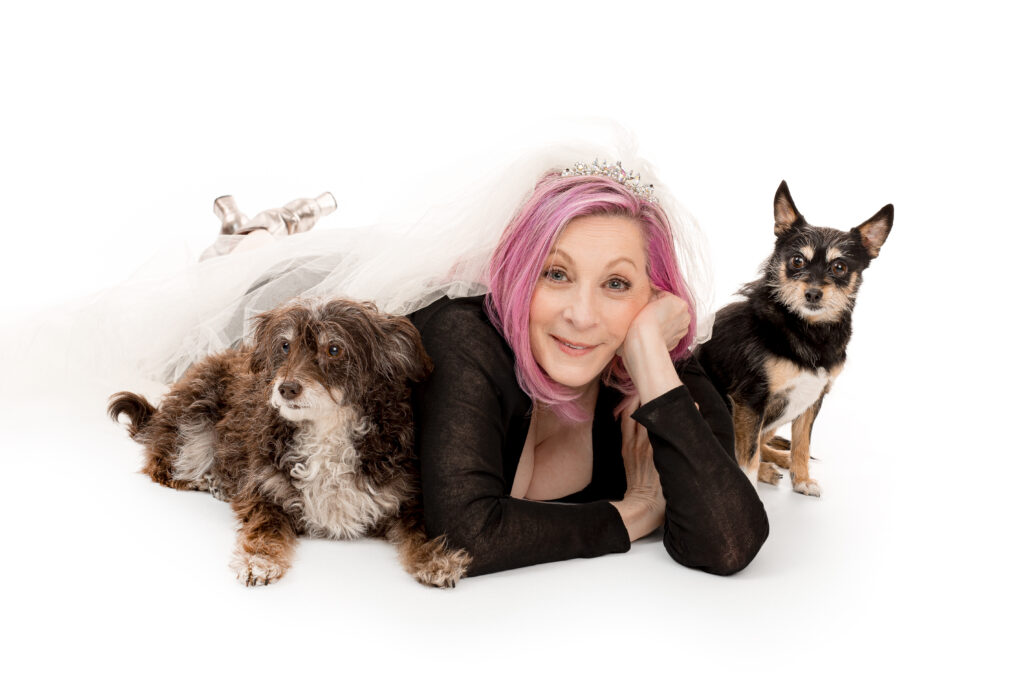
Authors In The Media With Lisa Cheek
New Information about Upcoming Book Related News
Authors In The Media With Lisa Cheek
Recently I did a Q&A with Lisa Cheek discussing her
memoirs which you can read here by clicking this link https://booknotions.com/qa-with-lisa-cheek/ . Lisa
briefly spoke about her past career as a film and tv editor and now she has
returned to go more in depth about it in this edition of Authors In The
Media!
Q: Welcome back to Book Notions Lisa! What
initially drew you into being a film and tv editor? For those who don’t know
what film and tv editing is, can you explain what it is that they do?
A: What I love most about editing is I’m given all the pieces
that the director shot, and I need to tell a story with it. I’m the person who
winds up with all the raw film that are shot on the set or location and in the
end, I’m the one who must deliver a finished product. My days were spent in a
dark room, organizing and sorting footage by scenes and takes, choosing the
take I liked best. Working and reworking a scene. Cutting different versions of
scenes to decide what is the best way to tell the story. Once I have put what I
like on my own, the director comes in and I work on all the scenes with him and
then the process starts all over again with the studio or the agency or client
if it’s a commercial.
Q: When you knew that film and tv editing was your
calling, did you go to college after graduating high school? Or did you apply
for a job right away? If you went to college how many years did you attend
before applying for a job to be a film and tv editor?
A: I spent four years in college graduating with a communications
degree. I knew I wanted to be in the entertainment business but didn’t have a
clue what I wanted to do.
My first job out of college was for a local ABC affiliate news
cast in Charleston, South Carolina where I ran camera and teleprompter. I hated
it. So much stress in live television, but there were two editors at the
station at that time, and I loved watching them do their job – putting images
together to make a commercial or tv promo. But both of those editors were not
going anywhere so I applied for a job at another station across town where I
spent my days watching at least three movies a day – taking out swear words and
nudity and putting in commercial breaks. I wound up watching fifteen hundred
films in eighteen months. That was my film school.
Q: What wisdom have you learned in your 25 years
as a film and tv editor, do you hope anyone wanting to pursue a career in that
film should know?
A: You must really want the job and work hard. When an editor
is on a project, they are on the project, meaning they are the last stop to
make it the best it can be. It all rides on the editor to deliver the project.
Now so many films and shows are not shot in Hollywood, so you don’t have to
live here, which has opened the opportunity for so many other people. That and
it’s much cheaper to make a film now than it was when I first started.
Q: In our Q&A you wrote I loved being a
film editor. Sit, Cinderella, Sit is all about the last job I cut along the
Tibetan boarder in Yunnan, China. I traveled with the Chinese film crew while
they shot in remote areas. Editing a film is a massive undertaking and when
you’re on location it brings all sorts of logistical problems along. So, I’ve
learned to be flexible and go with the flow. I also learned how long it takes
to tell a story of that length. Which film project took you to China on the
Tibetan border? What films, shows and commercials did you edit for?
A: I was in China for “Sit, Cinderella, Sit” only. I spent six
months editing the film. After it was shot on location in Yunnan, China we
travelled to Hong Kong and cut the rest of the film there. I worked twelve to
fifteen hours a day. It’s all I worked on. Usually, a feature will spend around
four to six months editing.
Q: In the second part of that question I asked you
after you wrote about being in China, you wrote, Having edited a ton of TV
commercials, making the story tight without losing meaning was of upmost
importance when you only thirty seconds to tell a story. TV commercials were
fun, too, because it was a challenge to choose only that which makes the story
better. I think that experience helps me edit my own material so by the time it
goes to the edit, they don’t cut much. Since film and tv editing has helped
with you editing your memoirs, do you find the editing process easier each time
you write a memoir?
A: I do because I love the editing process. It’s the first
draft I dread. Filling the page is challenging for me. I much prefer editing
what I have written. I’ve heard it said that “writing is in the rewriting” and
that’s where I love to be.
Q: Since you’ve done film and tv
editing, you must have met a lot of famous directors and actors and actresses!
What were those experiences like and who did you meet?
A: My favorite job editing with a celebrity was a short film
for Jaguar with Spike Lee. He and his wife starred in it as a couple driving a
Jaguar from Brooklyn to their home in Martha’s Vineyard. Spike is a man who
works hard. He must have had five projects going on at once. I met him one
night at 11:00pm after he put his kids to bed, and another day at 6:30am after
he’d flown in on the red eye from LA. It was an experience I cherish.
I also edited the ASC (American Society of Cinematography)
award show one year. For a woman who liked looking at pretty images I spent
weeks looking at the best films of the year for cinematography and then got to
meet all these talented people at the show. They are names most people don’t
know unless you are in the business, but there is nothing I’d rather look at
than pretty film. So, for me, getting to meet all those talented
cinematographers was one of the most magical evenings of my life.
And one of my all-time favorite celebrities I worked with was
Sugar Ray Leonard. It was my first TV job in 1985, and Sugar Ray was ever so
handsome. He was soft-spoken, knew his lines and was super kind to everyone on
the set. He even kissed me on the cheek when he said goodbye. Sugar Ray set the
tone for me at the start as I felt after working with him, he was a true role
model
Q: I know you briefly spoke about your editing
career in Sit Cinderella Sit. Would you write a memoir going more in
depth about all the films, shows and commercials you’ve edited and what you
learned from those experiences? I know I would read it!
A: Thank you. I love hearing that. I had someone else ask me
that. I might need to sit down and figure out what scenes I must tell a film
editors story from the beginning and how to make it compelling enough for
someone to want to turn the page. Or perhaps use it to write a novel. Stand by.