Newsletters
Q&A With Sonoko Obuchi
New Information about Upcoming Book Related News
Q&A With Sonoko Obuchi
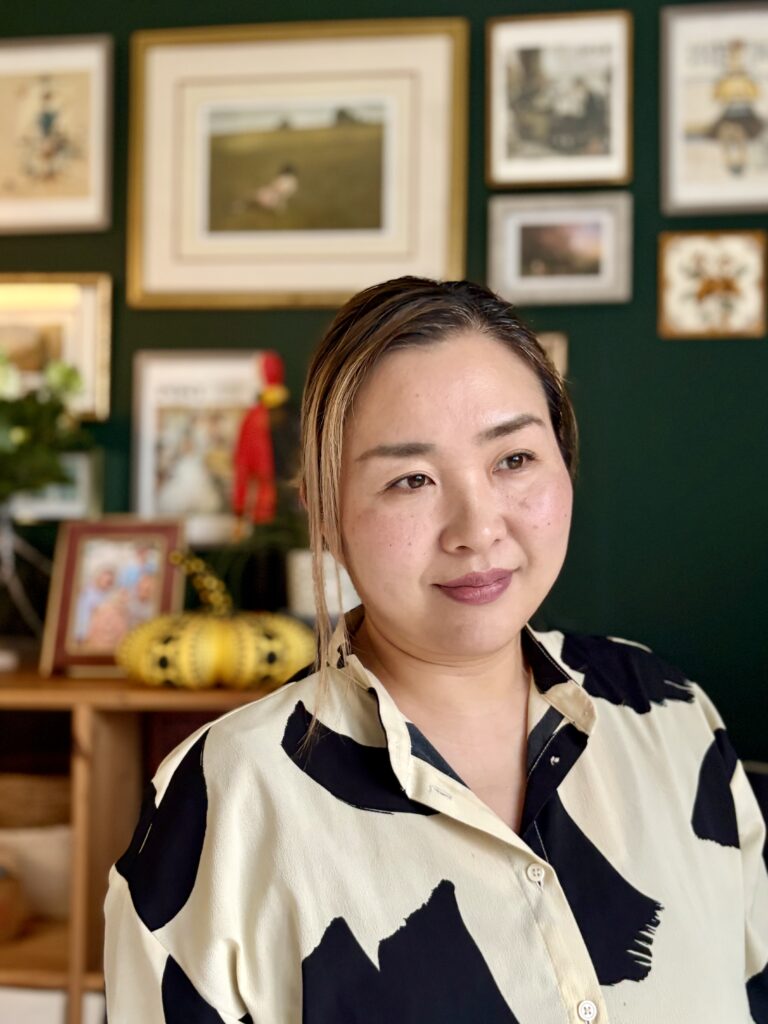
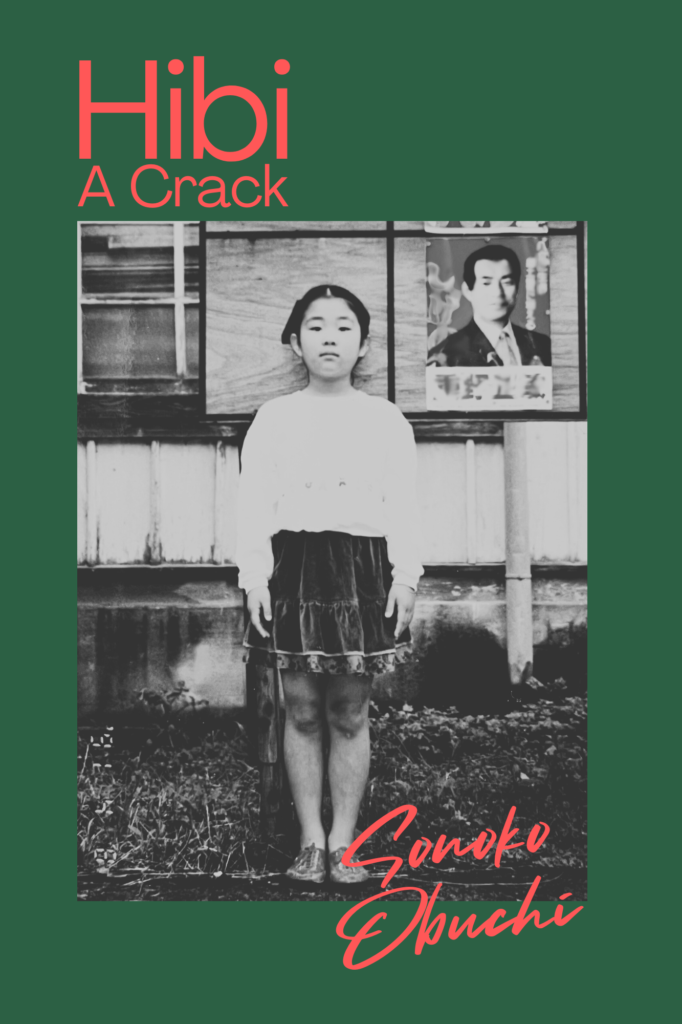
Sonoko Obuchi released her debut novel Hibi A Crack. So you can imagine my joy when Sonoko agreed to do this interview with me. Hibi A Crack is available today wherever you get your books!
Q: Welcome to Book Notions Sonoko! Would you please give a brief description of Hibi A Crack and discuss where the idea for the novel came from?
A: Hello! Thank you so much for having me. I am really happy to be here.
Hibi A Crack is a quiet psychological novel about a Japanese woman living in London who slowly begins to realise that something inside her has been cracking for a long time. On the surface, she is a mother, a wife, and someone who is trying to hold everything together. But underneath that everyday life, there is loneliness, emotional exhaustion, cultural displacement, and a deep question of identity.
The idea came from my own observations of womanhood, motherhood, and the hidden emotional lives of people who look completely fine from the outside. I was interested in that moment when a person finally hears the small crack inside themselves. Not a dramatic breakdown, but something quieter and more intimate. A private truth that can no longer be ignored.
The title Hibi means both “days” and “cracks” in Japanese, depending on how it is written. I loved that double meaning because the story is about daily life, but also about the invisible cracks that appear inside us through those ordinary days.
Q: What drew you into writing? How long did it take you to write Hibi A Crack?
A: I am an artist, and I have always expressed myself through art, design, theatre, and visual storytelling. But writing gave me a different kind of space. With visual art, I often begin with image, texture, colour, and feeling. With writing, I could go deeper into the inner voice, the unsaid thoughts, and the small emotional details that are sometimes difficult to show visually.
I initially wrote Hibi A Crack in Japanese while I was in Japan, visiting and caring for my dying father. Writing became a form of therapy for me during that extraordinary time in my life. It helped me process grief, love, fear, memory, and everything that was happening around me.
The first draft took about one month of full writing. Then, when I returned to the UK, it took another month to translate it into English.
Q: What messages and emotions do you hope readers remember and feel once they finish reading Hibi A Crack?
A: I hope readers feel seen, especially those who have experienced loneliness, emotional exhaustion, or the feeling of losing themselves while trying to care for others.
I do not think the book gives a simple answer, because life is not always like that. But I hope it leaves readers with a sense that even a crack can become an opening. Sometimes the moment we feel broken is also the moment we begin to hear our real voice again.
I would love readers to remember the quietness of the book, the emotional honesty, and the feeling that ordinary lives can contain very deep inner worlds. I hope they come away feeling tender, reflective, and maybe a little more compassionate towards themselves.
My final message is: there is no turning back once you find a crack.
Q: If you are currently writing book 2, will it be a sequel to Hibi A Crack or will it be a new story with different characters?
A: My next book will be a new story with different characters, not a direct sequel to Hibi A Crack. But I think it will still share a similar emotional world.
I am interested in memory, family, silence, identity, and the things people hide, even from themselves. So although it will not continue the same plot, readers who connected with Hibi A Crack may recognise the atmosphere: quiet, intimate, slightly dark, but still searching for tenderness and healing.
At the moment, I am exploring the idea of lies we tell in order to survive. Some lies protect us. Some lies hurt us. Some lies are passed down through families. I am very interested in that emotional grey area.
Q: What advice would you give to anyone wanting to write great fiction?
A: I would say, write from the place that feels emotionally true to you. You do not need to begin with a perfect plot or a clever idea. Sometimes the most powerful fiction begins with a small feeling you cannot forget.
Pay attention to people, to silence, and to what is not being said. A character does not always need to explain everything. Sometimes one small gesture, one uncomfortable pause, or one ordinary object can reveal so much.
Also, do not be afraid of writing something quiet. Not every story needs to shout. If the emotion is honest, readers will feel it.
And finally, keep going. Writing can feel vulnerable, especially when you are writing from a personal or emotional place. But your voice matters, and the story only becomes real when you allow yourself to write it.
You can follow Sonoko & her on Instagram through this link
https://www.instagram.com/sonoko.obuchi/