Dead Author Interviews: Italian writer, philosopher, and literary theorist Dante Alighieri
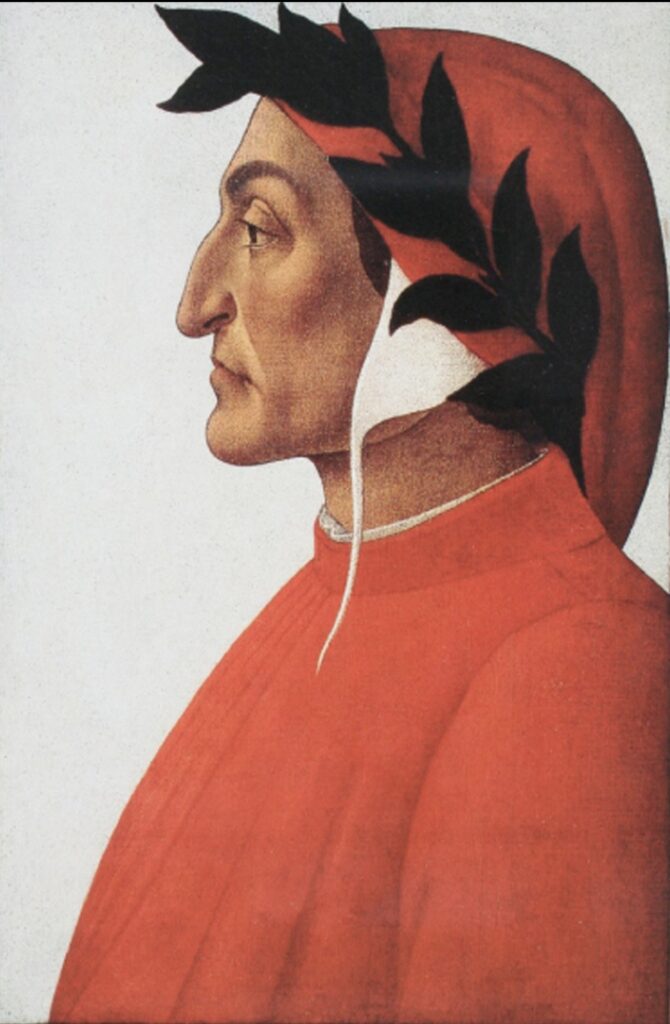
Dead Author Interviews: Italian writer, philosopher and literary theorist Dante Alighieri
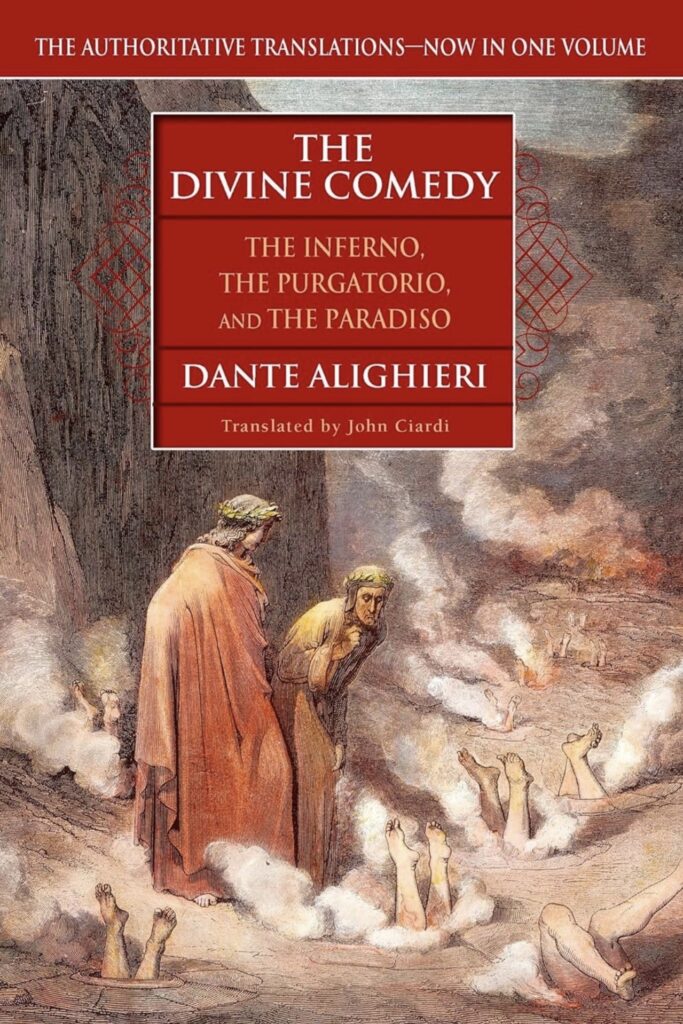
Last week I discussed why I would interview a dead author who’s not only an author and humanist but also a martyr and Saint, named Thomas More! This second Dead Author who I would love to interview is Dante Alighieri, the famed author of The Divine Comedy also known as Dantes Inferno. While this Italian writer has been dead for several centuries, there would be so much I’d ask him as he detailed his fictional descent into Hell, then Purgatory and then finally Paradise.
Who was Dante Alighieri?
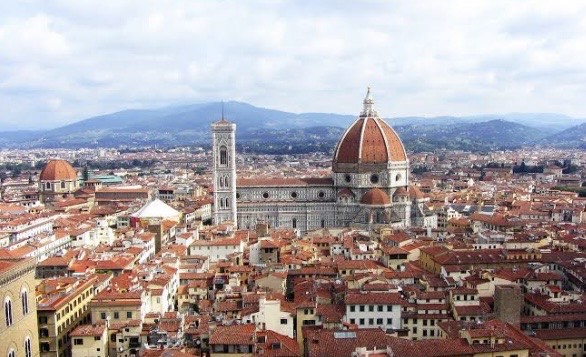
Dante was born in the Italian city of Florence around May or June of 1265. On top of being a writer, he was a moral philosopher, literary theorist, & political thinker. There isn’t much known about his immediate family but in other works he briefly mentioned a father and sister.
Dante describes how he fought as a cavalryman against the Ghibellines, a banished Florentine party supporting the imperial cause. He also speaks of his great teacher Brunetto Latini and his gifted friend Guido Cavalcanti, of the poetic culture in which he made his first artistic ventures, his poetic indebtedness to Guido Guinizelli, the origins of his family in his great-great-grandfather, Cacciaguida, whom the reader meets in the central cantos of the Paradiso (and from whose wife the family name, Alighieri, derived), and, going back even further, of the pride that he felt in the fact that his distant ancestors were descendants of the Roman soldiers who settled along the banks of the Arno.
By choosing to write his poem in the Italian vernacular rather than in Latin, Dante decisively influenced the course of literary development. (He primarily used the Tuscan dialect, which would become standard literary Italian, but his vivid vocabulary ranged widely over many dialects and languages.) Not only did he lend a voice to the emerging lay culture of his own country, but Italian became the literary language in western Europe for several centuries.
Dante’s The Divine Comedy was not just popular Italian literature but also one of the greatest works of medieval European literature that is still read to this day. The famous work shapes religious imagination and the Italian language. What inspired the classic was Dante’s exile from Florence in 1302. Why was Dante exiled? Dante was falsely accused of political corruption, fraud, extortion and embezzlement by his political rivals, the Black Guelphs. Dante was part of the White Guelphs.
What questions would I ask Dante Alighieri?
Dante, you made yourself the fictional lead in The Divine Comedy because of your exile from Florence. Did you ever feel depressed while writing The Divine Comedy knowing your exile was the inspiration behind your most famous work yet?
How do you feel knowing that The Divine Comedy is not only the most popular work in medieval Europe but also popular centuries later still being read in schools and universities?
You mixed literary characters, historical figures, popes and public figures being in eternal torment. Some of these choices make sense. Others I’m on the fence about. Especially Cleopatra since she died before she could meet Christ and except his as her lord and savior. Egyptian & Greek gods are all she ever knew. The suicide part it was either kill herself or become a slave to the Romans.
What is your advice for all of us Catholics around the world on how to live a Holy life? How would you have handled Martin Luthers thoughts which we would consider heresies?
For Further Reading
For further reading click on this link to Britannica. https://www.britannica.com/biography/Dante-Alighieri
Certain information in my post was italicized because of my information from this link.